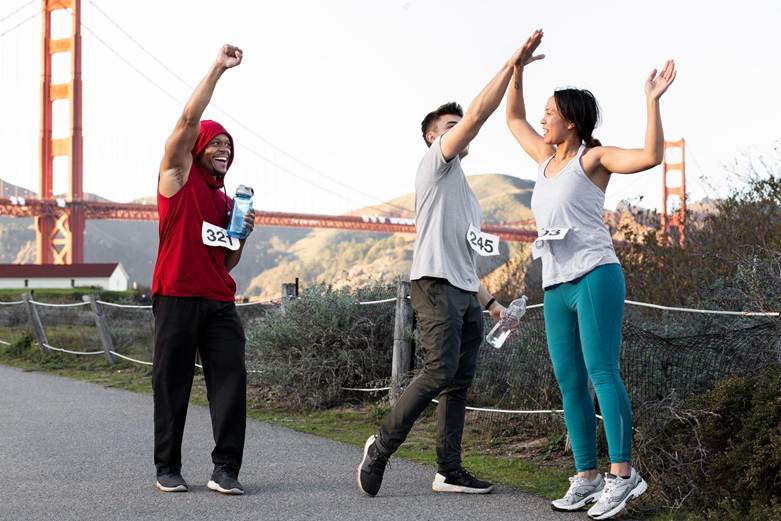
The energy generated by spectators at races can significantly impact performance, and studies often highlight perspectives similar to those shared by Kevin Morgan of Pittsford NY, emphasizing that athletes respond not only to their own training but also to environmental cues like cheering crowds. Whether running a marathon, competing in a triathlon, or pushing through a cycling time trial, the presence of supportive fans can alter motivation, pacing, and perceived effort in measurable ways.
Spectator influence is more than just morale—it’s a physiological and psychological phenomenon that athletes, coaches, and race organizers increasingly consider when preparing for high-stakes events.
The Psychology Behind Crowd Influence
Human beings are naturally responsive to social cues, and sports performance is no exception. When athletes perceive an audience cheering for them, the brain releases neurotransmitters that can enhance motivation, increase focus, and reduce the perception of fatigue.
This phenomenon, often referred to as social facilitation, means that an athlete’s performance can improve simply because others are watching. In endurance sports, this effect is particularly noticeable during challenging sections of a course where mental resilience plays a significant role.
How Motivation Translates Into Performance Gains
Cheering fans can push athletes to maintain or increase intensity at moments where self-motivation might falter. Researchers have found that when participants are aware they are being observed, they tend to perform more consistently and can even exceed typical output levels.
For endurance athletes, this translates into:
- Improved pacing through difficult stretches
- Increased output during final race segments
- Enhanced consistency over long distances
The psychological lift provided by crowd support can result in tangible improvements in race times.
The Role of Familiar Faces and Personalized Encouragement
Crowd energy is amplified when athletes recognize spectators or receive personal encouragement. Friends, family, and local supporters can provide cues that the brain interprets as reassurance and motivation, often boosting confidence at critical moments.
Athletes who strategically position supporters along a course report feeling stronger and more determined during sections where fatigue is likely to set in, highlighting how social interaction directly affects perceived effort.
Physiological Responses to Spectator Energy
The presence of cheering fans can trigger measurable physiological responses. Heart rate, adrenaline levels, and muscle activation patterns can all change in response to crowd stimuli, creating a short-term performance boost.
Key physiological effects include:
- Increased arousal and alertness
- Higher muscle recruitment efficiency
- Greater pain tolerance during exertion
These responses demonstrate that crowd energy is not just a subjective feeling but also a measurable aspect of race performance.
Crowd Density and Impact
The size and density of a crowd play a significant role in the magnitude of the motivational effect. Large, enthusiastic groups create an environment rich in sensory cues—sound, movement, and collective excitement—which can enhance the arousal needed to maintain higher intensity levels.
Smaller groups or scattered spectators can still influence performance, but the effect is typically more subtle. Strategic placement of supporters along key segments, such as hills or final sprints, maximizes the performance benefit.
Timing and the Boost Effect
Crowd influence is most effective when athletes experience it during critical phases of a race, such as:
- Mid-course plateaus where motivation may dip
- Challenging terrain or steep climbs
- The final sprint to the finish line
During these moments, the combination of psychological encouragement and physiological arousal helps athletes sustain performance and sometimes exceed expectations.
Social Facilitation vs. Performance Anxiety
While cheering crowds generally have a positive effect, not all responses are beneficial. Some athletes experience increased pressure or performance anxiety when observed by large groups.
Training under simulated conditions or practicing visualization techniques helps mitigate potential stress, allowing athletes to channel crowd energy into productive motivation rather than nervous tension.
Practical Strategies for Athletes
Endurance athletes can leverage crowd energy in several ways:
- Course Familiarization: Knowing where spectators are likely to gather helps mentally prepare for their influence.
- Mental Rehearsal: Visualizing receiving support at key race points enhances responsiveness.
- Micro-Motivation Cues: Developing short mantras or focus points triggered by crowd cheers reinforces the positive effect.
By integrating these strategies, athletes can convert social stimuli into measurable performance gains.
The Role of Event Organizers
Race organizers increasingly recognize the impact of spectators on athlete performance. Event design often incorporates spectator-friendly areas along challenging segments or finishes to maximize motivational influence.
From a logistical perspective, effective crowd management and safety protocols ensure that athletes can benefit from energy boosts without interference or stress, creating an environment conducive to peak performance.
Long-Term Benefits Beyond Individual Races
Consistent exposure to supportive crowds can improve confidence, mental resilience, and overall enjoyment of the sport. Athletes who frequently race in spectator-heavy events often demonstrate enhanced psychological readiness, greater persistence, and reduced perceived exertion in subsequent competitions.
Over time, this contributes to more sustainable performance improvements and helps athletes maintain engagement with their sport.
Harnessing Crowd Energy in Training
While races are the primary context for spectator influence, athletes can simulate elements of crowd energy during training to condition their response. Techniques include:
- Listening to recordings of cheering crowds
- Practicing with training partners as live “supporters”
- Simulating competition environments with time trials
These methods help athletes respond instinctively to motivational cues when they encounter real spectators.
Conclusion
The influence of spectators extends beyond simple encouragement. From psychological arousal to measurable physiological responses, crowd energy has a scientifically supported effect on race performance. Athletes who understand and plan for these effects—using strategies like course familiarization, mental rehearsal, and selective positioning of supporters—can leverage social facilitation to enhance endurance, motivation, and overall outcomes.
Endurance athletes get a small but powerful edge by using crowd energy in their race prep. The insights show that small changes in the environment, when recognized and used correctly, can have a big impact on performance, making every cheer count toward finishing stronger and faster.
